

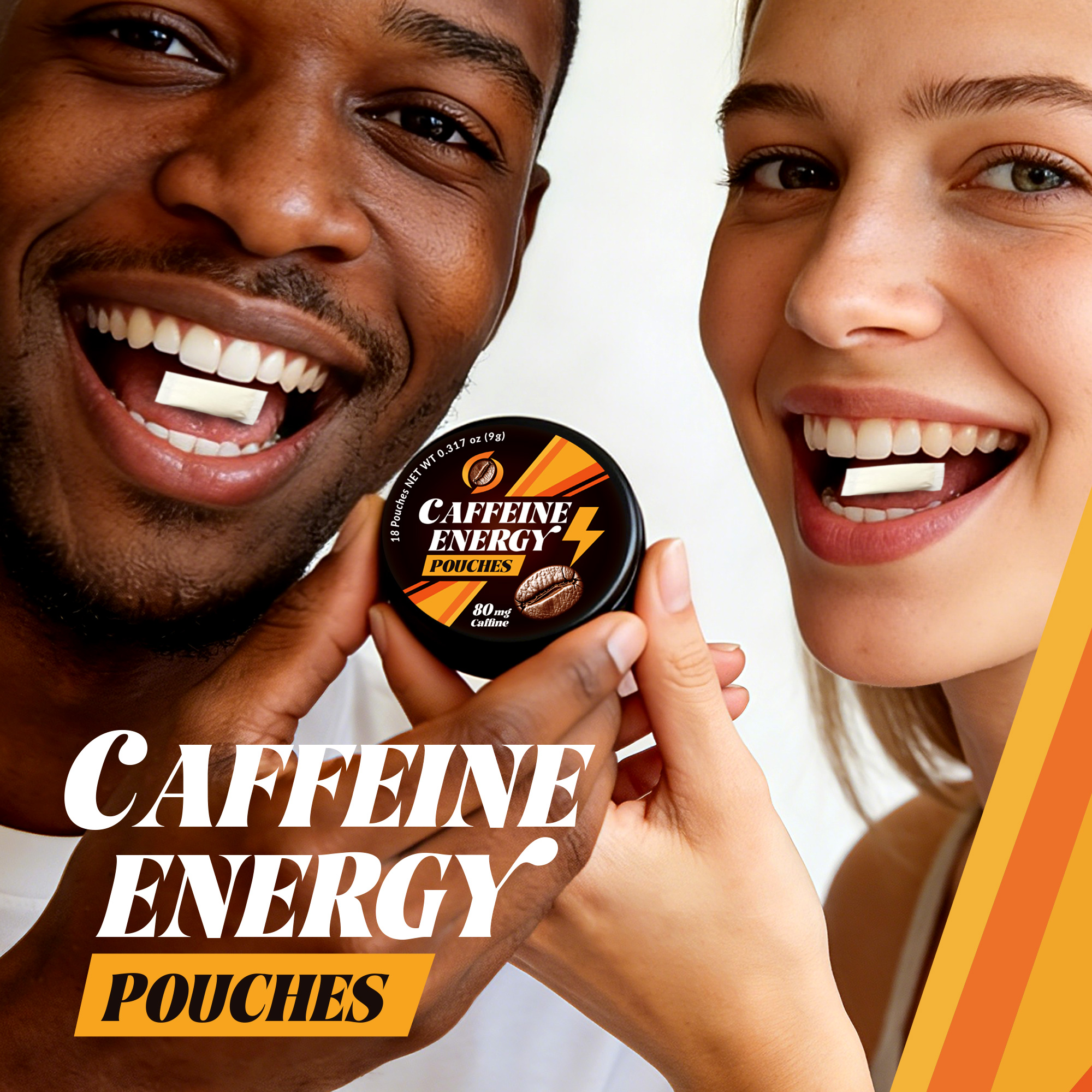
VANCOUVER — A quiet revolution is taking place in the world of functional wellness. Move over, energy drinks and coffee runs—the energy pouch has arrived, and it’s reshaping the $438 billion global functional food and beverage market one small packet at a time.
What Are Energy Pouches?
Energy pouches are small, pillow-shaped packets placed discreetly between the lip and gum. Unlike traditional energy products, they contain no tobacco or nicotine. Instead, these innovative pouches deliver measured doses of caffeine—often alongside botanicals, vitamins, and nootropics—directly through the oral mucosa, bypassing the digestive system entirely. This buccal absorption method allows users to feel the effects more quickly than drinking coffee or energy drinks, typically within 5 to 15 minutes.
Each pouch typically contains anywhere from 50 to 200 milligrams of caffeine, with zero sugar, zero calories, and zero mess. Made from cellulose-based materials, they are designed for modern, on-the-go lifestyles where convenience and portability are paramount.
A Market on the Rise
The numbers tell a compelling story. The global caffeine pouches market grew from USD 66.94 million in 2025 to USD 71.34 million in 2026, and is projected to reach USD 107.21 million by 2032, growing at a CAGR of 6.96%. Meanwhile, the broader oral nicotine pouch segment—which has paved the way for consumer acceptance of pouch-based delivery systems—is forecast to climb from $5.4 billion in 2024 to over $25 billion by 2030, reflecting a staggering 29.6% annual growth rate.
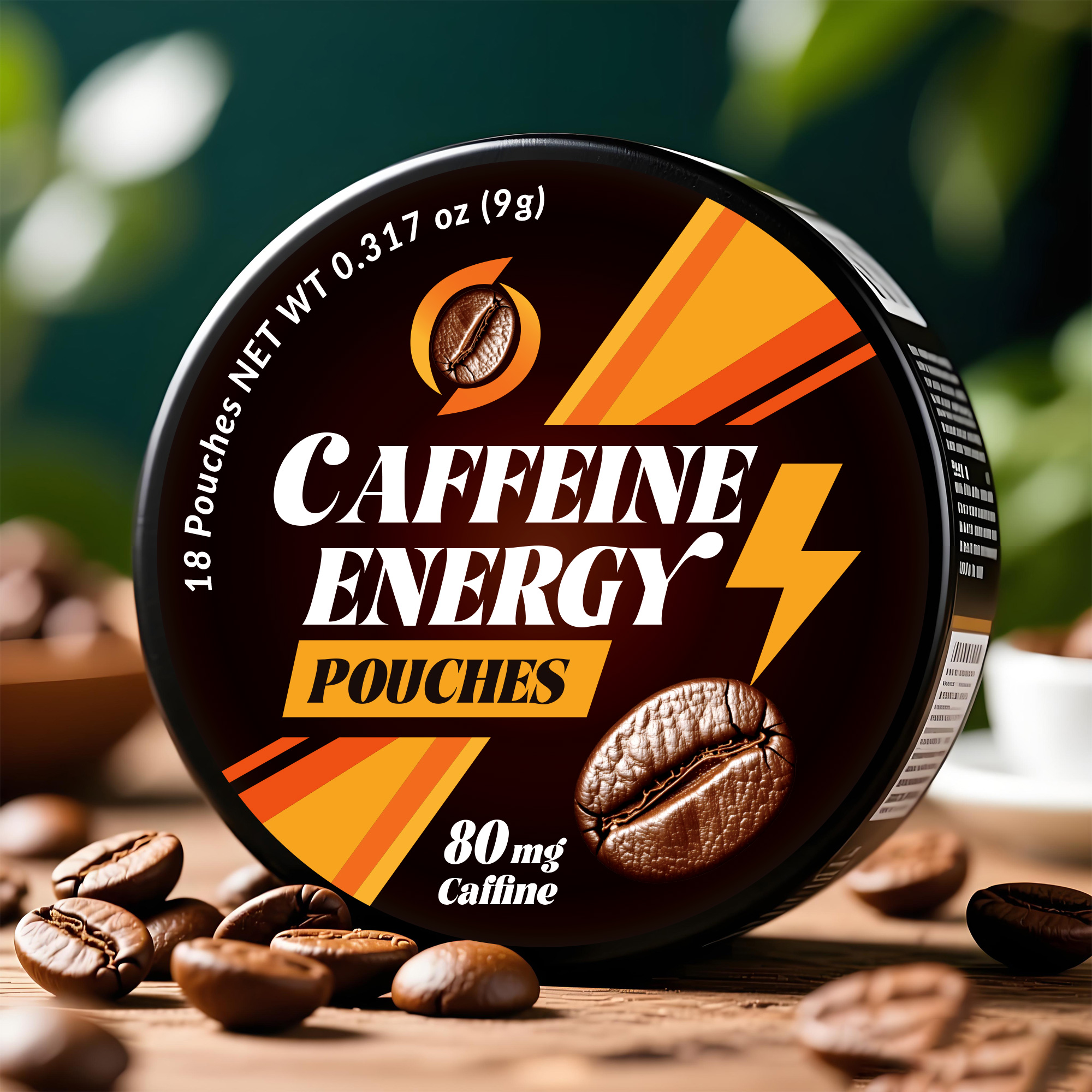
Market intelligence from January 2026 confirms that the next generation of consumers is hunting for moderate, consistent focus rather than high-caffeine jitters. This massive pivot is turning zero-sugar, botanically-powered pouch platforms into primary value drivers for the 2026 consumer cycle.
Major Players Enter the Arena
Several brands are leading the charge into this burgeoning category. Doseology Sciences Inc. launched pilot production of its Feed That Brain caffeine-based energy pouches in January 2026, marking the company‘s entry into the fast-expanding oral pouch category. The nicotine-free, caffeine-based product is designed to provide predictable, portion-controlled stimulation without sugar, smoke, or liquid consumption. Available through direct-to-consumer channels including Amazon, the pouches are now being tested in the U.S. market.
Mojo Energy Pouches entered with the tagline “Energy By The Pouch,” offering 50mg of naturally derived caffeine from green tea in flavors ranging from Blue Raspberry to limited-edition Cinnamon Churro. Each pouch also contains B-vitamins, L-Theanine, and adaptogens like Ginseng and Yerba Mate.
Wip Energy Pouches launched in June 2025 as a category-defining product, offering natural caffeine sourced from non-GMO green coffee beans in 100mg and 200mg strengths across four bold flavors: Orange Citrus, Mint, Sour Cherry, and Strawberry Kiwi. With zero sugar and zero calories, Wip aims to redefine the $120 billion U.S. caffeine category.
Other notable entrants include Zapz, which features vibrant, fruit-forward caffeine pouches in playful packaging designed for Gen Z consumers, and Ultra, which raised $11 million in Series A funding and sold 1,000,000 cans within its first six months of launch. Ultra’s hero ingredient is enfinity (paraxanthine), a downstream metabolite of caffeine, combined with L-theanine, Alpha GPC, B-vitamins, and ginseng root extract.
Why Pouches? A Smarter Way to Energize
So what‘s driving the shift away from traditional energy drinks? The advantages are clear. Energy pouches are spill-proof, sugar-free, and calorie-free—a stark contrast to energy drinks that often contain 25 to 50 grams of sugar per serving. They require no refrigeration, no preparation, and no cleanup. A pocket-sized tin slips easily into a bag or uniform pocket, ready whenever a boost is needed.
The absorption mechanism itself offers distinct benefits. When you drink coffee or an energy drink, caffeine must pass through the stomach, intestines, and liver before entering the bloodstream. Pouches bypass this entire process, delivering a faster, more controlled release. This means users can achieve consistent energy without the spikes and crashes often associated with sugary beverages.
Consumer behavior is a primary catalyst for this shift. There is growing sensitivity to sugar intake, artificial additives, and large single doses of caffeine that can lead to jitters or sleep disruption. Many consumers are gravitating toward smaller, more controlled doses dispersed across the day—a “microdosing” mindset that energy pouches align with perfectly.
Health Considerations and Responsible Use
As with any stimulant product, responsible use is essential. Health experts note that caffeine pouches can be safe for most healthy adults if total daily caffeine intake does not exceed 400 mg. However, the rapid absorption and concentrated doses mean users should be mindful of their consumption. Some pouches contain up to 200 mg of caffeine—roughly equivalent to two cups of coffee—in a single serving.
The FDA does not require premarket approval for these products, placing responsibility for safety and compliance on manufacturers. Brands are increasingly adopting transparent labeling with clear “mg per pouch” callouts, age restrictions, and usage guidelines to build consumer trust and ensure responsible growth.
The Road Ahead
Industry analysts project the functional beverage segment alone will climb past $164 billion in 2026, with energy drinks commanding the fastest growth lanes. As consumers continue to prioritize convenience, portability, and clean-label formulations, energy pouches are poised to capture an increasingly significant share of this expanding market.
From busy professionals and students to athletes, gamers, and shift workers, the appeal of discreet, on-demand energy is universal. The energy pouch isn’t just a trend—it represents a fundamental rethinking of how we consume caffeine in a fast-paced, health-conscious world.
Post time: Apr-20-2026